Cosmetic Dentistry
Veneers vs Dental Crowns: What Is the Difference?
A veneer covers only the front of a tooth. A crown wraps around the whole thing. Choosing between them correctly can save healthy tooth structure you can never get back.
What Are Veneers and Crowns? — The Direct Answer
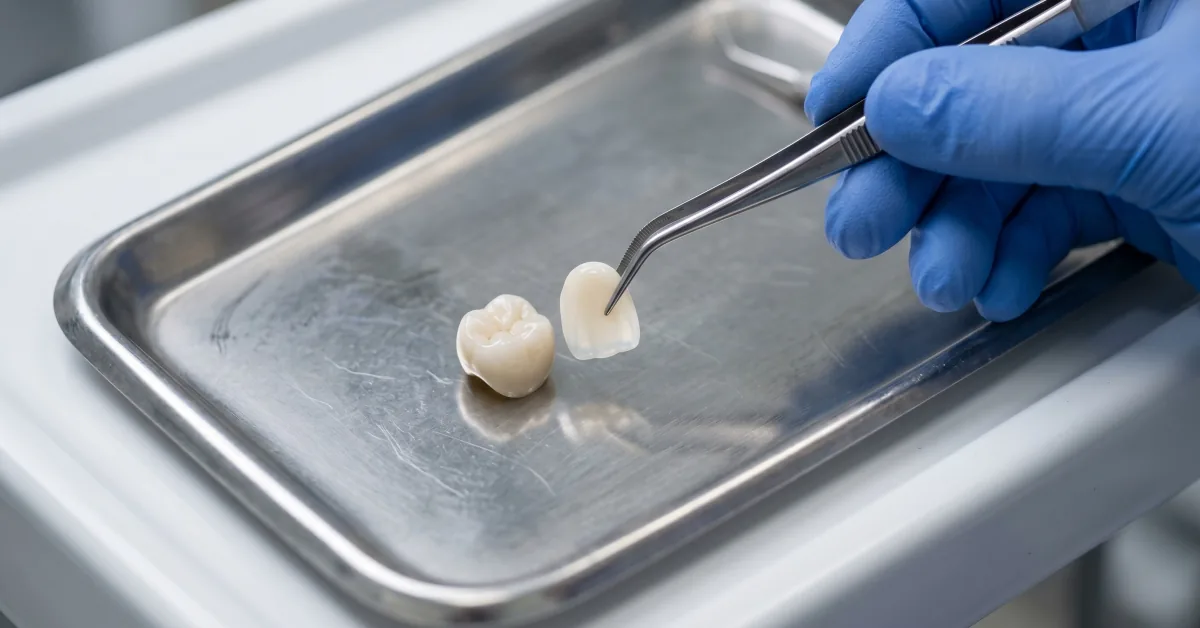
A veneer is a thin shell of porcelain — typically between 0.3 and 0.7 mm thick — bonded to the front surface of a tooth. A crown wraps completely around the tooth (all 360 degrees), from the biting edge down to the gum line, like a well-fitted cap. At Debod Dental Clinic in Argüelles, Madrid, this is one of the most common questions that comes up during cosmetic consultations — and the distinction matters far more than most patients expect.
Both restorations can genuinely transform the appearance of a smile. But they involve very different amounts of tooth preparation, they suit different clinical situations, and — this is worth paying attention to — one of them is an irreversible procedure. We will come back to exactly what that means.
Why Does This Matter for Your Dental Health?
In my practice, I regularly see patients who have been told they need a crown when a veneer would have been entirely appropriate. Here is why that matters. A crown requires removing 1.5 to 2 mm of tooth structure on every surface — front, back, sides, and top. Once that enamel is gone, it cannot be replaced. A veneer, by contrast, removes no more than 0.5 to 0.7 mm from the front face only, preserving up to 85% of the original tooth structure.
Think of it this way: a veneer is like fitting a new front panel to a piece of furniture. The structure underneath stays intact. A crown is closer to rebuilding the outer shell of the entire piece. Both can look beautiful when done well. But if only the front panel needed attention, the second approach involved a great deal of unnecessary work — and permanent consequences.
The other thing patients rarely consider is what this means long term. A tooth prepared for a crown will always need a crown. It cannot go back to being a natural tooth, and it cannot accept a veneer in the future. So the decision made today shapes every treatment decision for that tooth going forward.
There is, though, something that has to be right before any of this becomes relevant — and it catches a lot of patients off guard.
Before Any Restoration: What Needs to Be Right First
Before a veneer or crown can be placed, the mouth needs to be in good health. This is non-negotiable.
Gum disease is a contraindication for cosmetic dental work — not a minor inconvenience to work around, but a genuine clinical barrier. Inflamed or receding gums change the gum margin, which means a restoration fitted now will not sit correctly as the tissue changes over time. We always assess periodontal health at the outset, and if there is active disease, we treat it before anything else. A professional clean and periodontal assessment very often comes before any aesthetic conversation.
The same applies to decay and bite issues. Placing a veneer over an untreated cavity does not fix the cavity — it hides it and accelerates the damage underneath. And if the bite is significantly off, veneers placed without addressing it will bear forces they were never designed to handle.
This is what honest dentistry looks like in practice. The sequence matters as much as the material.
Frequently Asked Questions
Does it hurt to get a veneer or a crown?
Both procedures are carried out under local anaesthetic, so you should not feel pain during the appointment. Mild sensitivity around the gum line is normal for a few days afterwards — more so with crowns, given the extent of preparation involved. This usually settles within two weeks. If it persists or worsens beyond that, contact your dentist.
How long do porcelain veneers and crowns last?
Porcelain veneers have a survival rate of approximately 93–94% at ten years when placed by an experienced clinician and looked after with good oral hygiene. Modern zirconia crowns perform similarly — around 95–96% at ten years for single-unit restorations. The biggest factor in longevity is not the material itself, but the quality of the marginal seal at the time of fitting and your ongoing periodontal health.
How much do veneers and crowns cost in Madrid?
In Madrid, porcelain veneers typically range from 450 to 900 € per tooth; zirconia crowns from 500 to 900 € per unit. At Debod Dental Clinic, the exact cost is confirmed only after a full diagnostic assessment — we never quote without examining the tooth, reviewing the bite, and understanding the full clinical picture. Financing is available up to 60 months, with 0% interest for up to 12 months and no deposit required.
What should I do if my crown falls off?
Call your dentist the same day if at all possible. A tooth that has been prepared for a crown has had significant structure removed and has very little natural protection left — it becomes vulnerable to decay and temperature sensitivity very quickly without the crown in place. Avoid eating on that side, keep the area clean, and do not attempt to re-cement it yourself. This is not something to leave until the next routine appointment.
Can I get veneers if I grind my teeth?
You can, but a thorough clinical assessment is needed first. Bruxism significantly increases the fracture risk for porcelain veneers, particularly on the upper front teeth, which bear the most impact during grinding. A nightguard is usually discussed before any veneers are placed, and in some cases the bite needs evaluation or correction beforehand. This does not rule veneers out entirely — but it has to be assessed honestly and addressed. We look at this at every cosmetic consultation.
When is a dental crown the right choice, even on a front tooth?
When a tooth has lost more than roughly 50% of its structure — through deep decay, a large old filling, or significant fracture — a veneer will not have sufficient healthy enamel to bond to reliably. Root-treated teeth also usually need a dental crown rather than a veneer: once the nerve is removed, the tooth becomes considerably more brittle, and a full crown offers much better long-term protection. In these cases, a crown is the clinically appropriate choice. Not a downgrade — the right tool for the situation.
What Should You Know Before Your First Visit?
Four practical points that will make your first appointment more productive:
- Come with an open mind about which restoration is right, rather than arriving with a decision already made. The clinical findings should guide the recommendation, not the other way around.
- Tell us about any grinding, clenching, or jaw pain. It directly affects what options are safe and appropriate for your teeth.
- Ask about a mock-up. Before any tooth preparation takes place, a temporary composite mock-up lets you see the shape, size, and proportion on your actual teeth — no permanent changes, just a visual preview you can photograph and think over.
- Be honest about your medical history, including medications. Some drugs affect gum health and healing in ways that matter before cosmetic work.
After the assessment, we take a full intraoral digital scan and, where needed, a 3D CBCT scan. This gives us precise measurements of every tooth before any decision is finalised. Everything is planned digitally before physical work begins — at Debod Dental Lab, our in-house laboratory, restorations are designed and milled on site.
When Is It Urgent to See a Dentist?
There are several situations that need prompt attention regardless of whether you currently have a veneer or a crown.
A restoration that has come loose or fallen off — particularly a crown — should be seen the same day. Sharp pain when biting on a specific tooth, or a persistent ache that does not resolve, warrants an urgent call. Swelling around a crowned tooth accompanied by heat, pressure, or a bad taste can indicate infection at the root level, which needs assessment without delay. A grey shadow or dark line appearing at the edge of an existing crown may signal secondary decay developing underneath the restoration.
Do not wait for a routine appointment if any of these apply. Call us directly on +34 914 47 62 25.
Why Choose Debod Dental Clinic?
At Debod Dental Clinic, on Calle de Ferraz, 24 in Argüelles, every veneer and crown case is supported by our in-house laboratory — Debod Dental Lab — where restorations are designed, milled, and quality-checked on site. There is no relay to an external facility with a generic brief. Dr César Rodríguez, our prosthodontist, holds a Master's in Facial Prosthetics and Occlusion from the Complutense University of Madrid (UCM) and teaches the subject at postgraduate level. He works directly with the lab team at every stage of the process.
Every cosmetic case starts with a diagnostic appointment at no charge. If you are considering veneers for spacing or alignment concerns, it is worth knowing that Invisalign clear aligners can sometimes achieve the same result without preparing a single tooth — we will always tell you if that is the more appropriate route.
We are open Monday to Friday, 9:00 to 20:00. You can reach us at info@deboddentalclinic.com or call +34 914 47 62 25.
Frequently asked questions
Frequently asked questions about this topic.
Both procedures are carried out under local anaesthetic, so you should not feel pain during the appointment itself. Mild sensitivity around the gum line is normal for a few days afterwards — more so with crowns, given the extent of preparation on every surface. This typically settles within two weeks. If it persists or worsens beyond that point, contact your dentist promptly.
Porcelain veneers have a survival rate of approximately 93–94% at ten years when placed by an experienced clinician and maintained with good oral hygiene. Modern zirconia crowns perform similarly — around 95–96% at ten years for single-unit restorations. In both cases, the biggest factor in longevity is not the material itself but the quality of the marginal seal at the time of fitting and your ongoing gum health.
In Madrid, porcelain veneers typically range from 450 to 900 € per tooth, and zirconia crowns from 500 to 900 € per unit. At Debod Dental Clinic, the exact cost is confirmed only after a full diagnostic assessment — we never quote without examining the tooth, reviewing the bite, and understanding the full clinical picture. Financing is available up to 60 months, with 0% interest for up to 12 months and no deposit required.
Call your dentist the same day if at all possible. A tooth prepared for a crown has had significant structure removed and has very little natural protection left — it becomes vulnerable to decay and sensitivity very quickly. Avoid eating on that side, keep the area clean, and do not try to re-cement it yourself. This is not something to leave until the next routine appointment.
You can, but a thorough clinical assessment is needed first. Bruxism significantly increases the fracture risk for porcelain veneers, particularly on the upper front teeth, which bear the most impact during grinding. A nightguard is usually discussed before any veneers are placed, and in some cases the bite needs evaluation or treatment beforehand. It does not rule veneers out entirely — but it has to be assessed honestly and addressed from the start.
When a tooth has lost more than roughly 50% of its structure — through deep decay, a large old filling, or significant fracture — a veneer will not have sufficient healthy enamel to bond to reliably. Root-treated teeth also usually require a crown: once the nerve is removed, the tooth becomes considerably more brittle, and a full crown offers much better long-term protection. In these cases, a crown is the clinically appropriate choice — the right tool for the situation, not a compromise.
Reviewed by Dr. César Rodríguez
Prostodoncia · Rehabilitación Oral · COEM Reg. No. 28015194
Last reviewed: 14 August 2026
Informational content reviewed by a registered professional at Debod Dental Clinic. It does not replace a personalised clinical assessment. View specialist profile.
Author
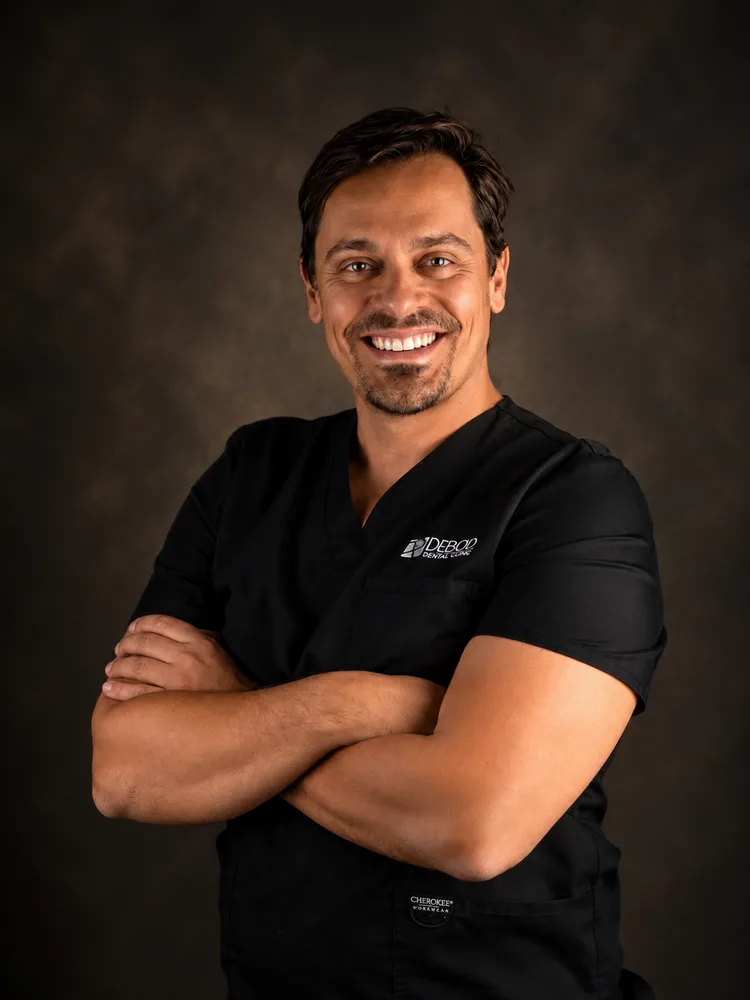
Dr. César Rodríguez
Prosthodontics · Full Oral Rehabilitation
Dr. César Rodríguez is a distinguished prosthodontist with a Master's in Facial Prosthetics and Occlusion from the Complutense University of Madrid. Initially trained in Dentistry at the Central University of Venezuela, his credentials have…
Meet the team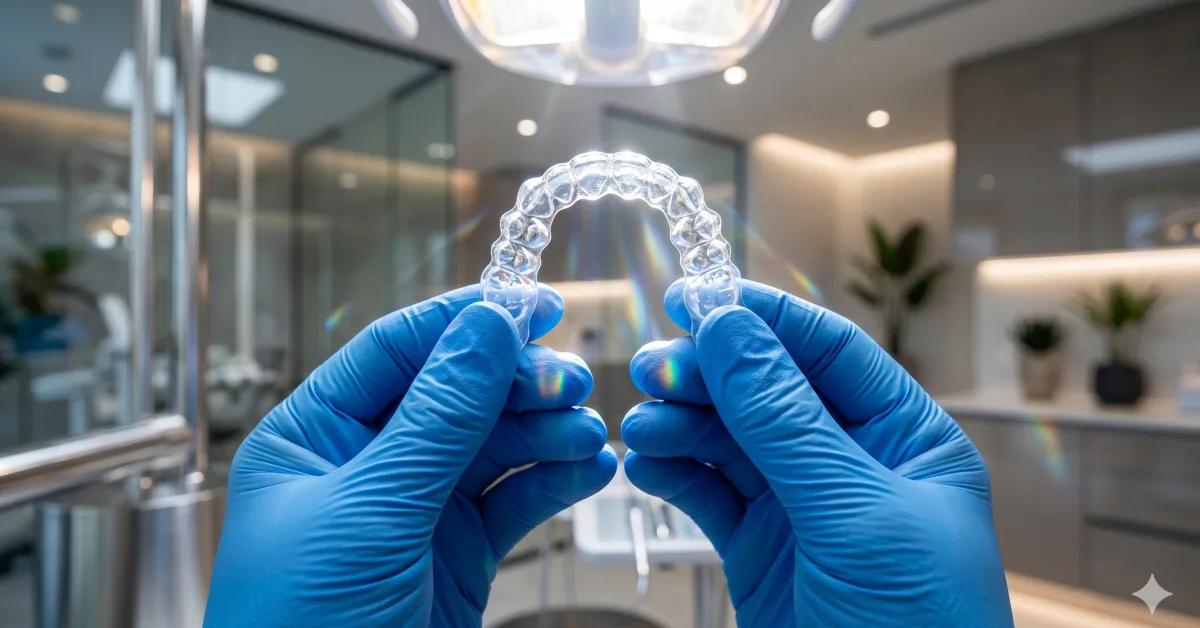
Did this article raise questions?
Talk directly with our team of specialists. First consultation with no obligation.
Book a consultation