Cosmetic Dentistry
Can Dental Veneers Be Removed Without Damage?
Veneers can often be removed carefully, but whether the tooth is unchanged depends on how much enamel was prepared at the start.
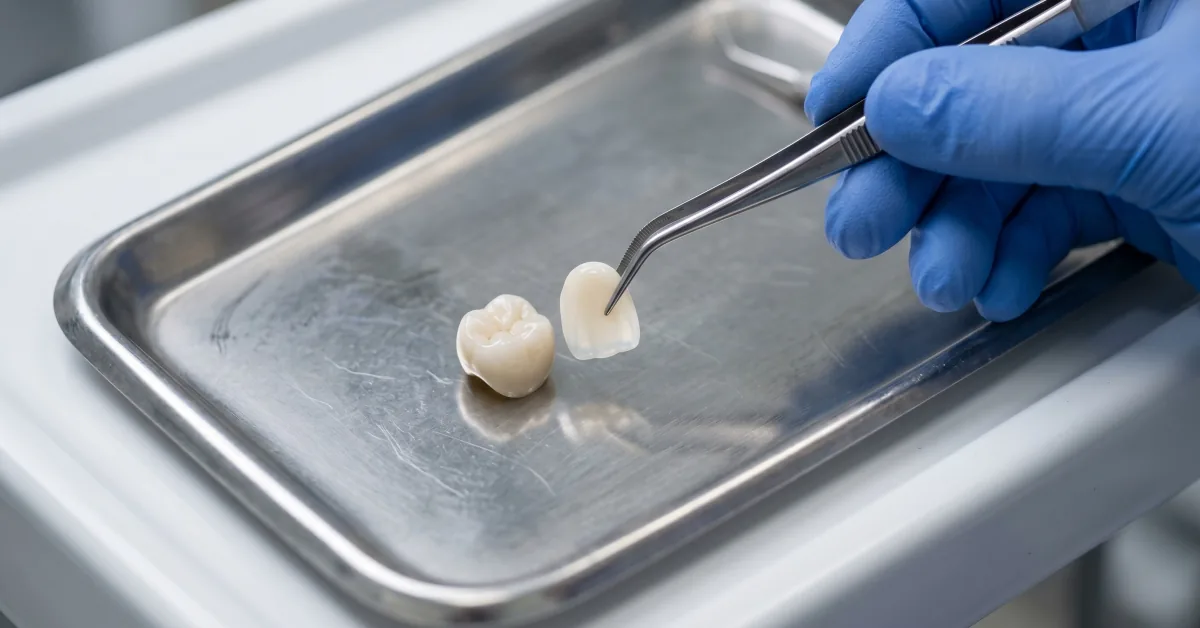
What are removable dental veneers? — The direct answer
Dental veneers can sometimes be removed carefully, but they do not always leave the tooth exactly as it was before treatment. The deciding factor is how much natural enamel was altered when the veneer was fitted. At Debod Dental Clinic in Argüelles, Madrid, we assess the original preparation, the veneer material and the health of the tooth before recommending removal, repair or replacement.
A veneer is a thin shell bonded to the visible front surface of a tooth to change its colour, shape or small imperfections. Composite veneers are built from tooth-coloured resin. Porcelain and lithium disilicate veneers are laboratory-made ceramic shells. Both can be treated conservatively, yet neither should ever be pulled off at home.
The word “reversible” can be misleading. A no-prep or very minimally prepared veneer may be removed with little change to the tooth. If the dentist reduced enamel to create space for a conventional veneer, however, that enamel does not grow back. The tooth will normally need a new veneer, a composite restoration or, in selected cases, another suitable restoration after removal.
Why does this matter for your dental health?
The outer layer of a tooth, enamel, is like its protective coat. It is the strongest tissue in the body, but once it has been removed, it cannot regenerate. Keeping as much healthy enamel as possible helps a restoration bond securely and protects the long-term outlook for the tooth.
Research supports this approach. In a 12-year cohort study, veneers prepared within enamel had no reported debonding or marginal leakage failures in that series, while exposing more dentine was associated with more complications in other clinical research. Dentine is the softer layer beneath enamel; it is more sensitive and generally less predictable for bonding. You can read the published evidence in this 12-year veneer cohort study and this clinical veneer survival study.
This is why a veneer should not be treated as a simple cosmetic cover. Before considering porcelain veneers, the gums should be healthy, coral pink rather than inflamed, and active decay must be treated. A bite that is placing excessive force on the front teeth may also need attention first. Attractive dentistry should still look like you: natural texture, gentle variations in shape and a result that sits comfortably in your smile, rather than square teeth that look manufactured.
There is another detail patients often discover only when they want a change years later: the removal technique matters as much as the original treatment. It is worth understanding that before making a decision.
How are veneers removed?
Composite veneers can often be polished away or repaired in small areas. The clinician removes the resin gradually, layer by layer, while trying to preserve the enamel below. It is not always possible to distinguish composite from enamel perfectly at a microscopic level, so a small amount of surface alteration or residual material may remain.
Ceramic veneers are strongly bonded and should not be levered off. The conventional approach is to carefully reduce and section the ceramic with dental instruments, then remove the remaining material in a controlled way. If the tooth was prepared for the original veneer, removal without a replacement can leave it smaller, sensitive or visually uneven.
Some clinics may use Er:YAG laser-assisted debonding for suitable ceramic cases. The laser is intended to act mainly on the bonding cement, helping release the veneer rather than grinding through it. Laboratory evidence and a recent clinical study are encouraging, but this does not guarantee the same outcome for every veneer or every tooth. Thickness, translucency, cement and the original preparation all affect the plan. See the laboratory laser-removal study and the recent clinical study of Er:YAG removal.
What happens after a veneer is removed?
Sometimes a veneer only needs a small repair, polishing or recementing if both the tooth and veneer are intact. In other cases, a new veneer is the safest and most aesthetic option. If there is decay around the edge, gum inflammation or a crack in the tooth, those issues come first.
At Debod Dental Clinic, the assessment may include photographs, an intraoral scan and X-rays when appropriate. A 3D scan may be useful in selected situations, although it is not necessary for every veneer review. Planning with Debod Dental Lab, our in-house digital laboratory, helps us assess shade, shape and the amount of tooth structure available before a replacement is made.
What happens if you simply leave a prepared tooth without a veneer? It depends on the preparation. A tooth with little or no enamel removal may be suitable for careful polishing and monitoring. A conventionally prepared tooth usually needs protection. This is one reason an individual diagnostic visit matters more than a general promise online.
Frequently asked questions
Can dental veneers be removed without damaging the tooth?
They can be removed with a conservative technique, but “without damage” depends mainly on what happened when they were placed. If the veneer was bonded with no preparation or only minimal enamel preparation, the tooth may need little alteration after removal. If enamel was reduced, the tooth will not be restored to its original form simply by taking the veneer away.
Does veneer removal hurt?
The procedure is usually performed with local anaesthetic when needed, so it should not be painful. Is it normal for the tooth to feel sensitive afterwards? Mild short-term sensitivity can happen, particularly when less enamel remains or dentine is exposed. Ongoing pain, pain that starts on its own or sensitivity that worsens needs a review.
How much does it cost to remove dental veneers?
The price depends on the material, the number of veneers, the removal technique, the condition beneath them and whether they require replacement. It is sensible to ask for a written plan covering possible repair, removal, temporary restoration and final replacement. At Debod Dental Clinic, the first diagnostic visit is included and the treatment estimate is confirmed after assessment.
How long do dental veneers last?
Veneers can last many years, although no restoration lasts forever. Their longevity is affected by the material, the bite, tooth grinding, oral hygiene, gum health and the amount of enamel available for bonding. Does it make sense to replace a veneer before it fails? Sometimes, if the margins are visible, the shade has changed or there are early signs of leakage; the answer depends on examination rather than appearance alone.
Is it urgent to see a dentist if a veneer comes loose or breaks?
A loose or broken veneer should be reviewed promptly, even if it does not hurt. Keep the veneer if you can find it, store it safely and avoid chewing on that tooth. Do not attempt to glue it back. Pain, swelling, persistent gum bleeding, a bad taste, a bad smell or a sharp edge causing injury are reasons to seek dental advice sooner.
Can a veneer be repaired instead of replaced?
Often, yes. Small chips in composite can frequently be repaired. Minor ceramic defects may sometimes be polished or repaired with composite, while an intact veneer that has come loose may occasionally be recemented. A repair is only appropriate when the underlying tooth, gums and bite are healthy.
What should you know before your first visit?
- Bring any information you have about your current veneers, including when they were fitted and the material if known.
- Tell the dentist about sensitivity, grinding, jaw discomfort, bleeding gums or changes in your bite.
- Ask whether the original preparation is within enamel, reaches dentine or is unknown.
- Request a clear plan for repair, removal, replacement and maintenance before treatment begins.
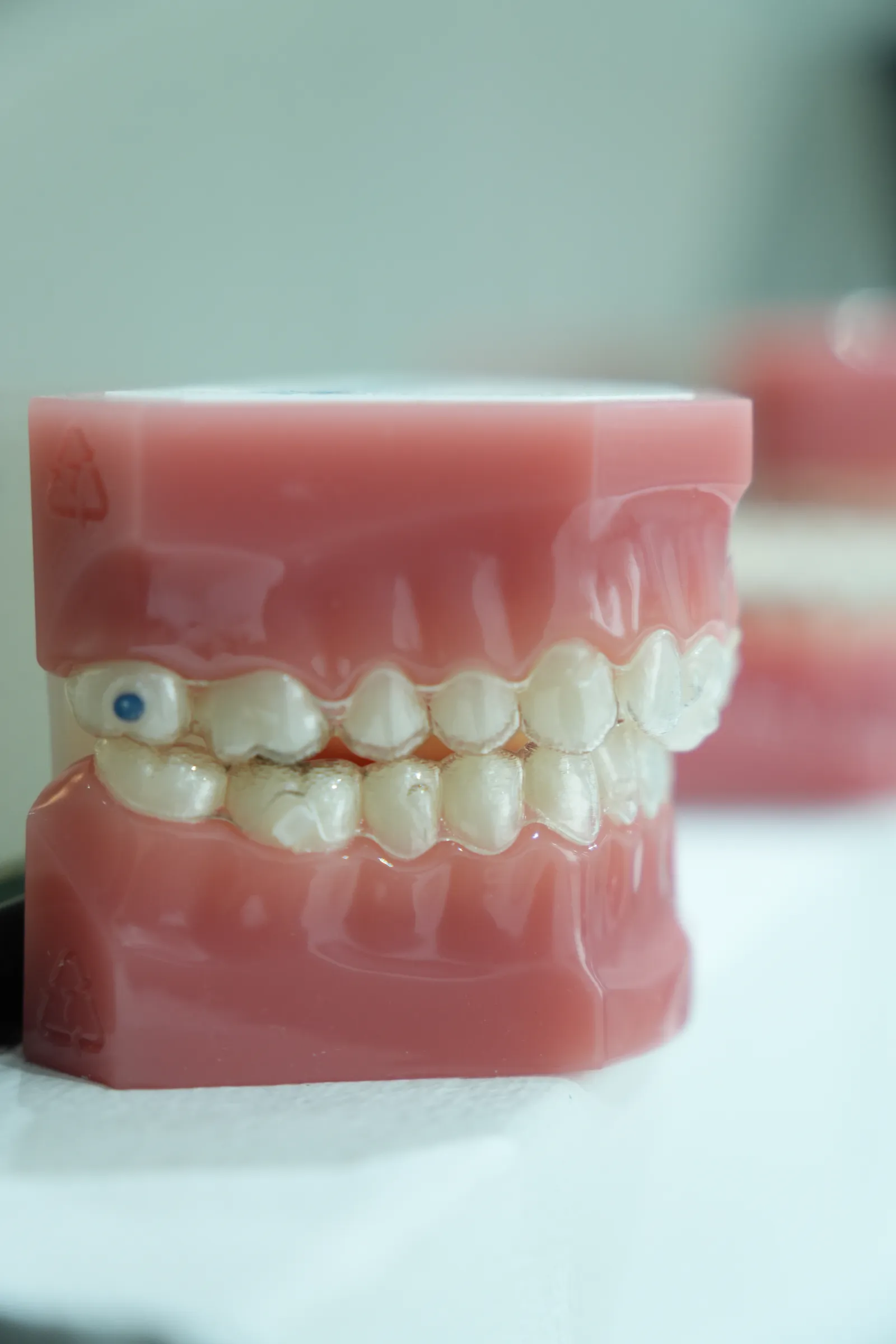
A careful consultation should also look beyond the front surface of the teeth. Healthy gums and a stable bite are part of a good cosmetic result. If tooth alignment is the cause of uneven edges or crowding, clear aligners may be worth discussing before altering healthy teeth. If a tooth needs more coverage than a veneer can safely provide, a dental crown may be considered instead.
When is it urgent to see a dentist?
Contact a dentist promptly if you have swelling in the face or gums, fever, severe or spontaneous tooth pain, persistent bleeding, pus, a loose veneer that could be swallowed, or a broken edge cutting your lip or tongue. These signs can point to infection, decay beneath the veneer or trauma that needs timely care.
Do not wait for a cosmetic appointment if pain is keeping you awake or swelling is spreading. Equally, do not try to remove a veneer yourself with tools, adhesive or force. A veneer and tooth are bonded together; pulling can chip enamel, fracture the tooth or injure the gum.
Why choose Debod Dental Clinic?
Debod Dental Clinic is located at C. de Ferraz, 24, Argüelles, 28008 Madrid, España, a short walk from Ventura Rodríguez station. We take an honest-dentistry approach: a clear diagnosis, a plan based on the condition of your own teeth and no assumption that replacement is always the answer.
Our in-house Debod Dental Lab and digital planning support detailed evaluation of veneer repairs and replacements. The first diagnostic visit is included, and you can book an appointment to discuss a loose, damaged or unwanted veneer. We will explain what can realistically be preserved, what needs treatment first and which option best respects your natural tooth structure.
Frequently asked questions
Frequently asked questions about this topic.
They can be removed conservatively, but the tooth may not return to its original state. If enamel was removed before fitting the veneer, that loss is permanent and a new restoration is usually needed.
Veneer removal is usually carried out with local anaesthetic where needed, so you should not feel pain during treatment. Some temporary sensitivity afterwards is possible, especially if dentine is exposed.
The cost depends on the veneer material, how many teeth are involved, whether replacement veneers are required and the condition of the teeth underneath. A personalised estimate is confirmed after assessment.
Veneers can last many years, though their lifespan varies with the material, bite, oral hygiene and whether the veneer is bonded mainly to enamel. They may eventually need repair or replacement.
Book a prompt review if a veneer is loose, chipped or broken. Seek urgent advice for spontaneous pain, swelling, persistent bleeding, a bad taste or smell, or a sharp edge that is injuring your mouth.
Reviewed by Dr. César Rodríguez
Prostodoncia · Rehabilitación Oral · COEM Reg. No. 28015194
Last reviewed: 18 September 2026
Informational content reviewed by a registered professional at Debod Dental Clinic. It does not replace a personalised clinical assessment. View specialist profile.

Author
Dr. César Rodríguez
Prosthodontics · Full Oral Rehabilitation
Dr. César Rodríguez is a distinguished prosthodontist with a Master's in Facial Prosthetics and Occlusion from the Complutense University of Madrid. Initially trained in Dentistry at the Central University of Venezuela, his credentials have…
Meet the team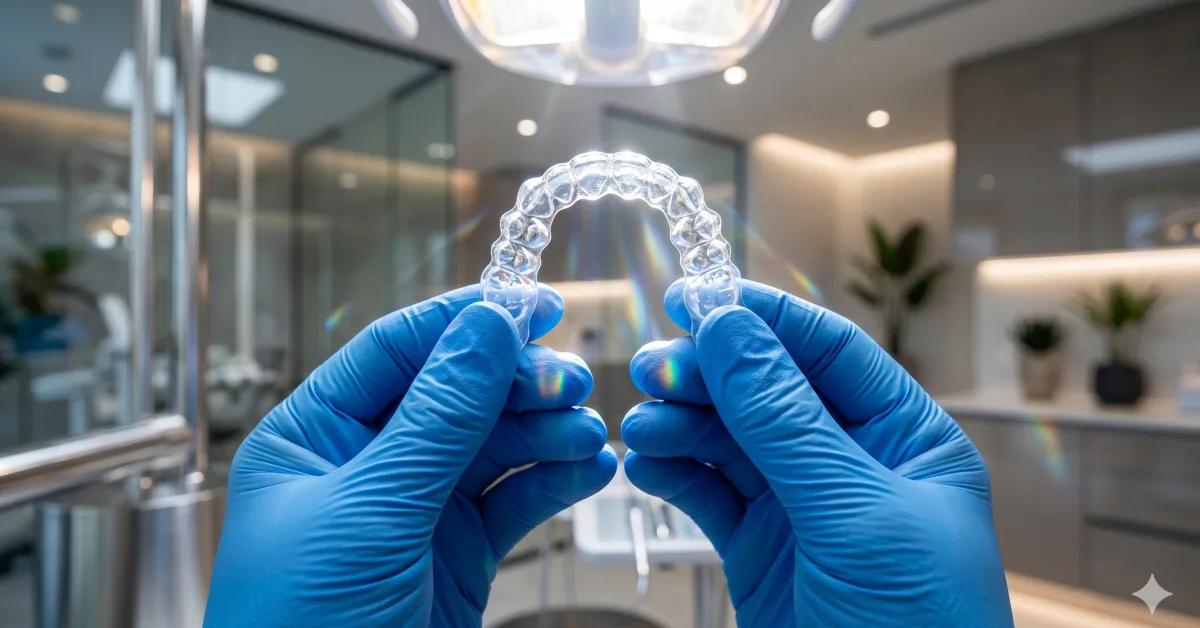
Did this article raise questions?
Talk directly with our team of specialists. First consultation with no obligation.
Book a consultation